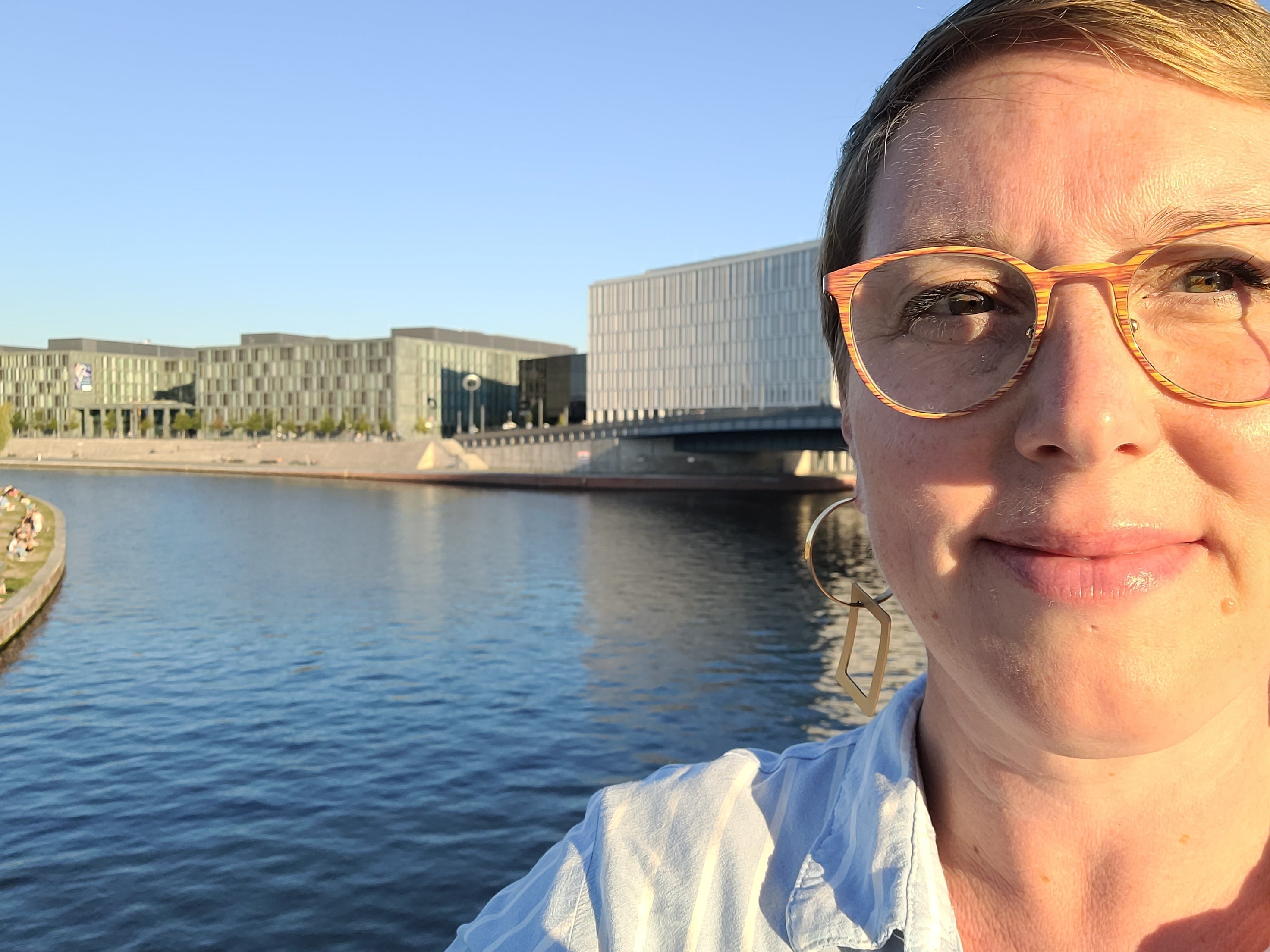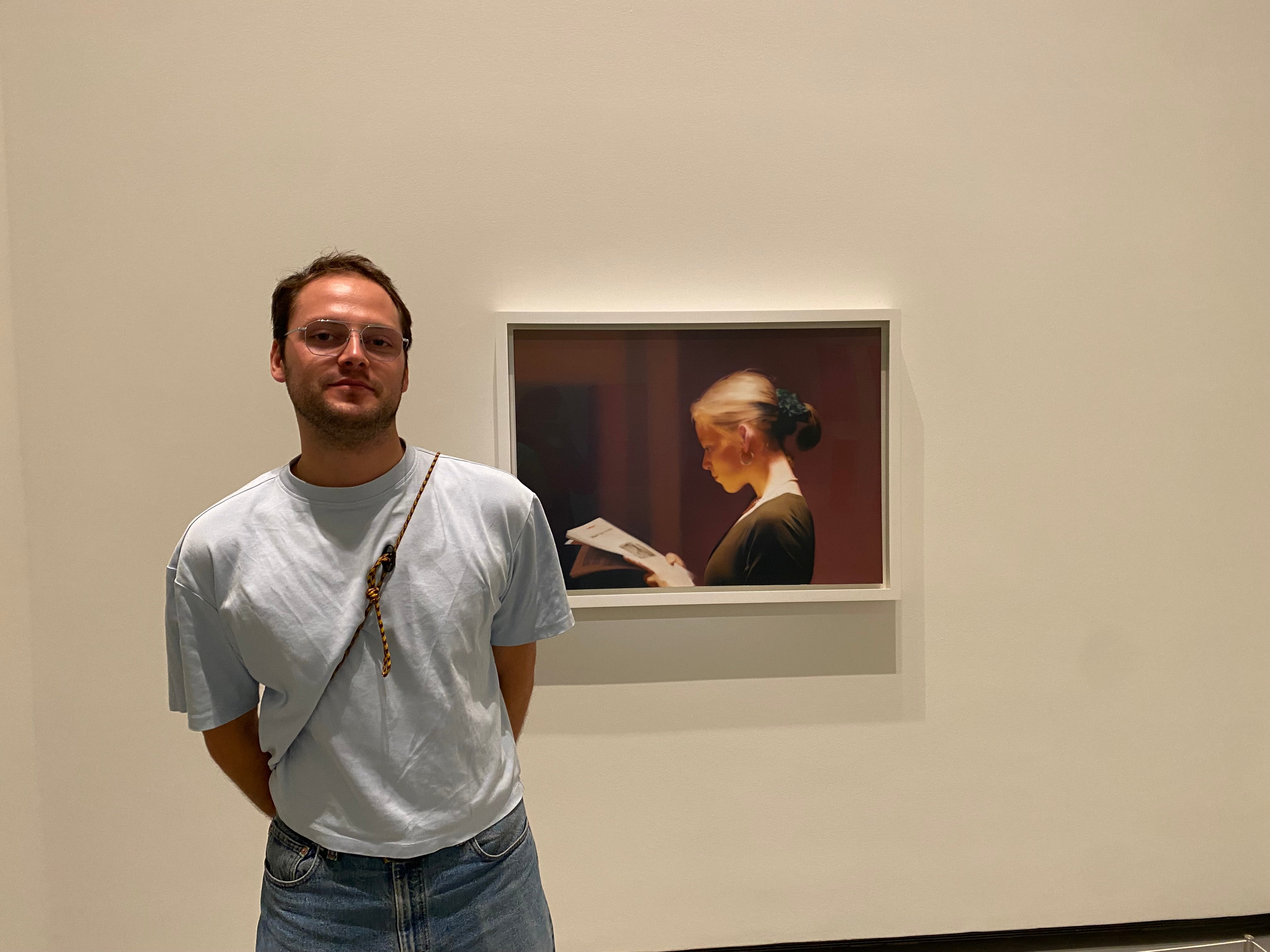

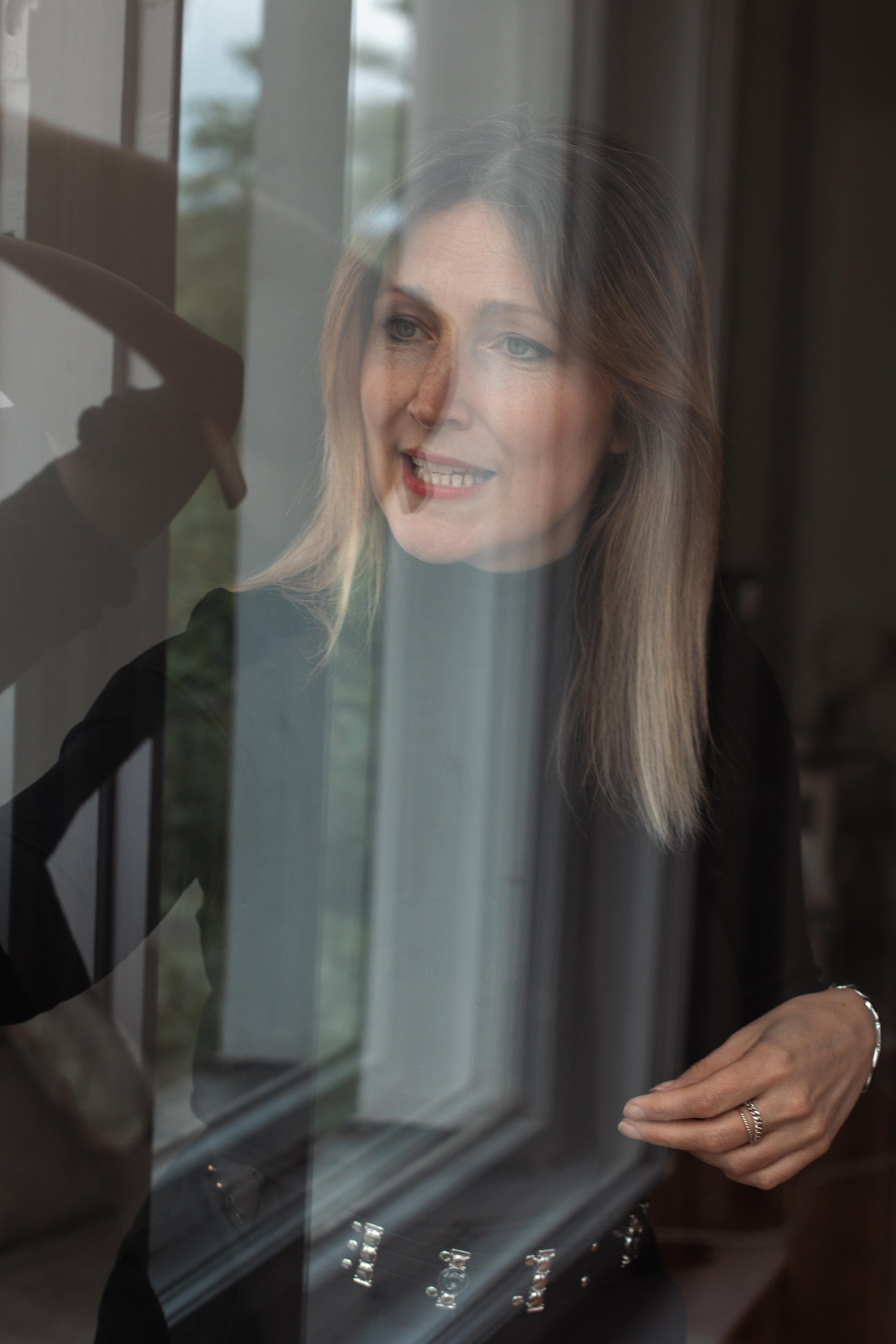
My biography couldn't have been more value-focused: shaped by multiple neurodiversities as well as political, cultural, familial, and systemic tensions. I grew up amidst extreme value contrasts—Berlin's bourgeoisie and rural bureaucrats, the poor and the fabulously wealthy. On the surface, highly educated and linear in their thinking, while war and dictatorships suppressed complex cognitive abilities. My nonconformist, sensitive parents lived in the conformist, bourgeois Berlin district of Lichterfelde. I myself, Yvonne Nicole Winkelmann , am highly gifted—so from an early age, I had no choice but to make tolerance my strategy in order to love both my parents and examine their worlds closely. Complexity and ambivalence are still written all over my face—and I somehow embody them, or so I'm told. For 38 years, I've participated in the world's largest study of giftedness, as one of the most highly gifted participants. That sounds uncanny—but I'm actually quite normal. We all possess our own unique complexity, which, unfortunately, has often been suppressed. That's why it's so important to me to truly see people, to recognize their own complexity, and to motivate them to think as freely as they feel deep down. The global happiness index will thank us for it.
Truthfulness is a value that guides me in life.
For me, quality of life means truly seeing myself and others – beyond roles, labels, and expectations. Especially with complex thinkers, highly gifted and exceptionally gifted individuals, and neurodivergent people, many aspects of their personality often remain invisible: thinking and feeling are too fast, too intense, too interconnected. I know from personal experience how much inner pressure can be created by a lack of reflection, insufficient validation, and simplistic attributions. For me, authenticity means not trying to smooth over complexity, but rather recognizing and acknowledging it. It enables orientation, self-efficacy, and the confidence to live one's own self-understanding – both individually and within organizations. Only what is seen can unfold. This value shapes my professional actions as well as my attitude toward people, power, responsibility, and shaping society.
Tolerance is a value that constantly challenges me.
For me, tolerance doesn't mean indifference, but rather enduring diversity and complexity – even where it's difficult to understand or contradictory. As someone who thinks complexly on many levels, with a fast-paced mind and a rich inner life, I often encounter oversimplification, impatience, or defensiveness. In organizations, people often start to panic when processes become too complex – one of the main reasons why digitalization hasn't been able to take root in our country. Remaining tolerant when authenticity is lacking or when one feels overlooked due to superficiality is challenging. At the same time, I know that others also operate within their own limitations. Different levels of complexity often don't fit together systemically. Of course, not everything has to fit together, but being aware of the systemic causes and understanding that thinking is sometimes culturally influenced would be an important step forward. For me, tolerance isn't a comfortable value, but a demanding one. Growing up in Berlin – shaped by ruptures, contrasts, and parallel political and cultural worlds – I learned early on that people think, feel, and act fundamentally differently. This diversity has made me open-minded, but it also demands daily inner work and the desire to tolerate diversity and not immediately resolve ambivalence. Today, tolerance is not just a value and an attitude, but a systemic necessity. Without this competence, dialogue, complexity, cooperation, multipolarity, and ultimately our democracy will disintegrate.
Tolerance for ambiguity is a value that our society should embrace more.
Our reality has become complex, contradictory, and multipolar – technologically, culturally, politically, and systemically. We encounter one another with different life plans, perceptions, speeds of thought, states of consciousness, and internal maps of thinking and logic. Tolerance of ambiguity means enduring tensions without prematurely simplifying or combating them. It is the prerequisite for diversity not only to be tolerated but also to become productive. Without it, diversity tips into polarization, innovation into defensiveness, and democracy into oversimplification. Tolerance of ambiguity does not protect against conflict – it enables us to manage it constructively.